Educational Program

Project Based Learning and Instructional Program

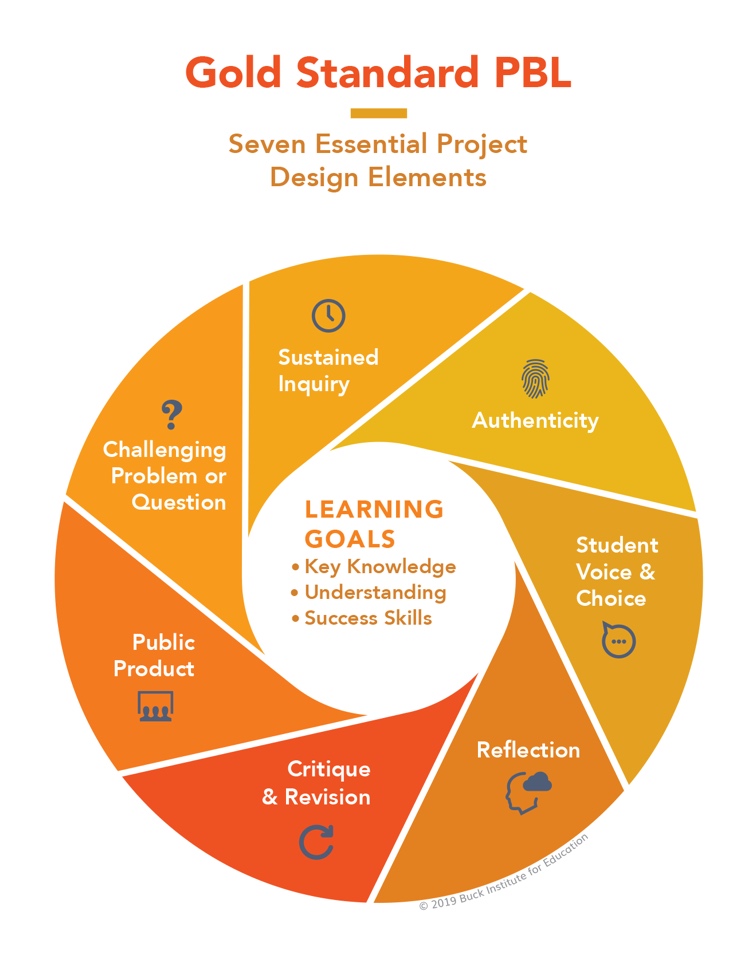
In Project Based Learning, students rely on each other, their teachers and state standards to generate a topic—a guiding question or a real-world problem.

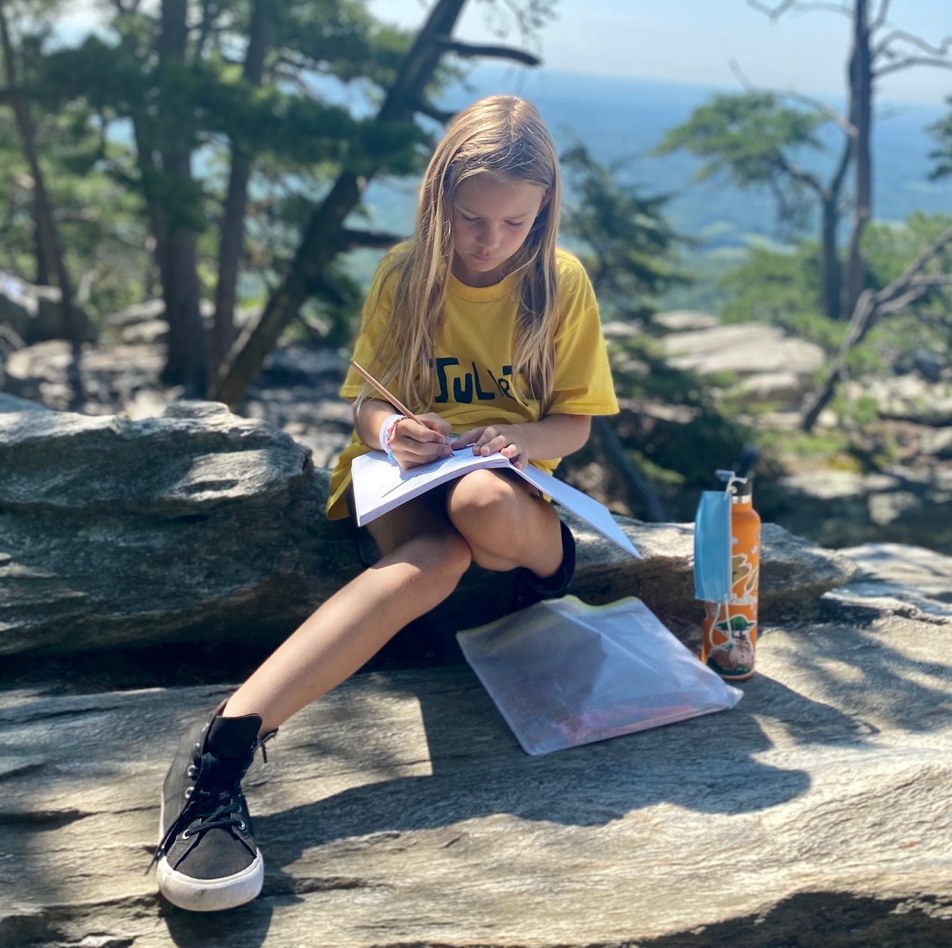
Students investigate their topics through research, field work, readings, guest experts, construction, arts, seminars and more, all fitting to their grade level and interests. Classes work on a project over an extended period of time – from a week, to a quarter, to a school year. Finally, they demonstrate their knowledge and skills by creating a public product or presentation (a “Project Share”) for a real audience that includes families and school community members. As a result, students develop deep content knowledge, critical thinking, collaboration, creativity and communication skills. You can read more about PBL by visiting PBLworks.org.

PBL In Action
Lower School

Sample Guiding Questions
at our Lower School:

Kindergarten
How does food and cooking help us understand and care for others in our communities( home, school, and neighborhood)?

First Grade
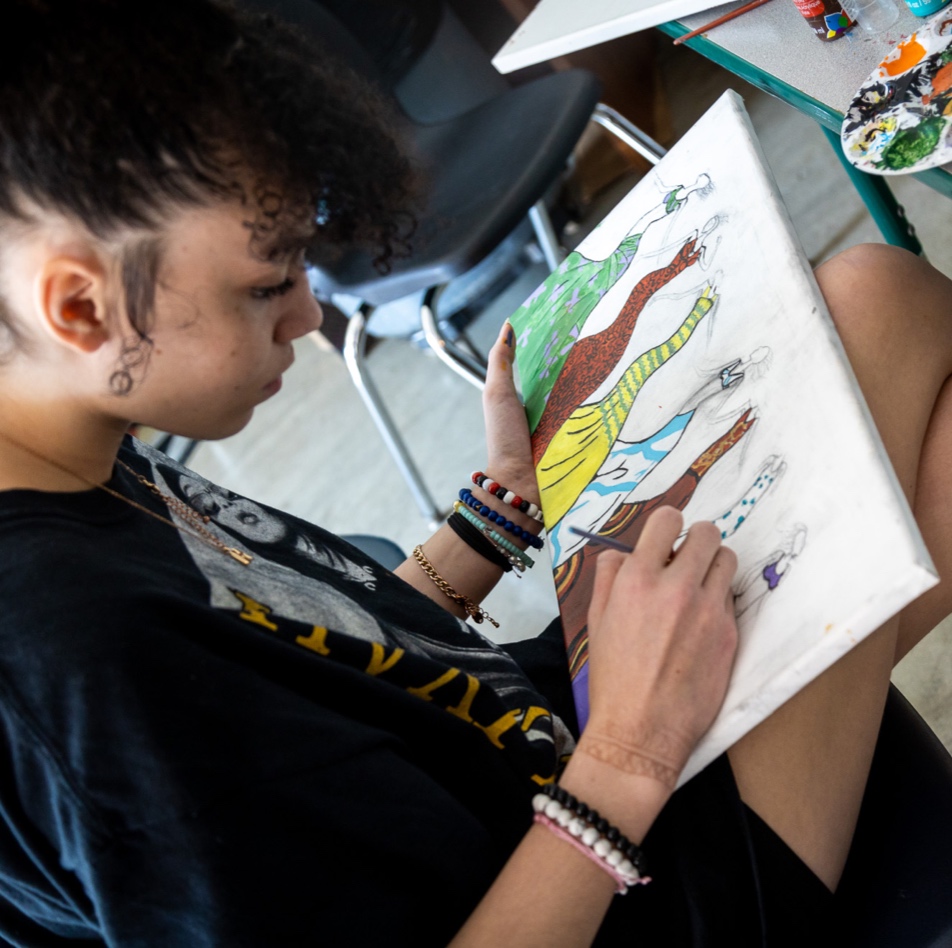
How can we relate and connect to marine life, and how can we use art to represent and teach others about them?

Second Grade
How do pet habitats mirror natural habitats?

Third Grade
How do collections teach us about ourselves and others?

Upper School

Sample Guiding Questions
at our Upper School:

Fourth Grade
*Example 1: How can we, as junior historians, tell the story of how different ethnic groups have shaped North Carolina’s history?
*Example 2: How can we use research and real experiences to live with and adapt to nature and its changes in North Carolina?

Fifth Grade
Who am I as a 5th grade student?

Sixth Grade
How did life in ancient Mesopotamia compare to our lives today?

Seventh Grade
How can the life of a single ancient tree help us understand the interconnectedness of the human experience?

Eighth Grade
How does your cultural identity connect to your environments; how do these influences shape the creation of your identity and goals?

Project Shares

Each project ends with a Project Share. Project Shares can be many things – plays, public art exhibits, written publications, constructions, scientific presentations of gained knowledge like solar panels and windmills installed on the roof of the school. Project shares provide authentic evidence of students’ developing knowledge and skills in all areas of learning.

Instructional Program

Social Emotional Learning

We believe that all children must first honor their own dignity—that is, they must learn to respect themselves. This guiding value is at the center of social emotional learning.

In the process of social emotional learning, our children first practice understanding themselves, to be aware and compassionate as they work towards doing the same for their classmates, teachers and broader community. Our students learn that care for themselves is the foundation for being fair and building healthy relationships in group problem solving.

We do this through strategies employed in our daily learning: Peaceful Schools approaches, Mindfulness activities, and our Service Learning partnerships.

Engaging the Whole Child

At its core, the “Whole Child” approach to education seeks to change the focus of teaching and learning from narrowly defined academic achievement to promoting each child’s long-term development and success. The Whole Child approach has become widely embraced by educators in many countries, and it is part of the North Carolina Department of Public Instruction curriculum.

We have found that when our students make connections across multiple learning areas, their full selves are brought to life.

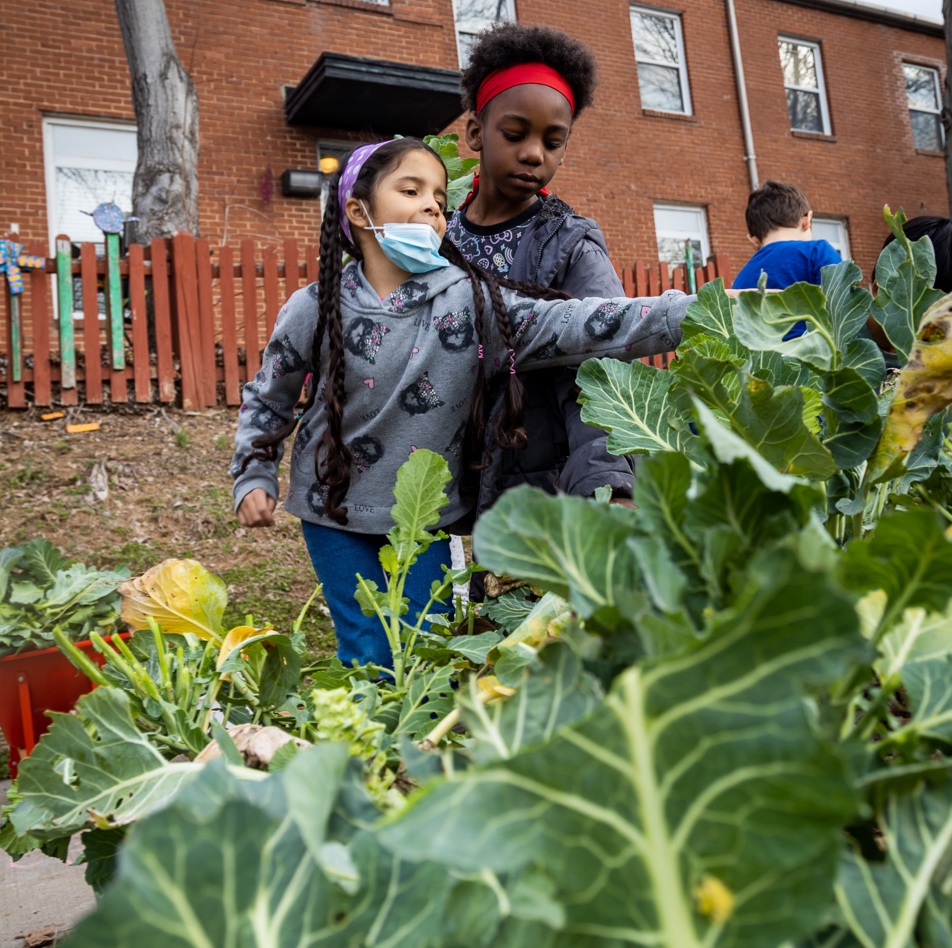
Whole Child learning is integrated in all we do at CPSC. Our classes engage a child’s whole being with hands-on, project-based instruction, and integration across learning areas. In our classrooms, social studies connects with literacy, math integrates with science, music and outdoor learning connect with math, and art connects with social studies. We have found that when our students make connections across multiple learning areas, their full selves are brought to life. And when our children integrate all parts of themselves, they feel free. With their curiosity nurtured, they feel confident and courageous, learning to trust. When you are free to be yourself and have the courage to speak your whole heart, deep trust and deep learning can take hold.

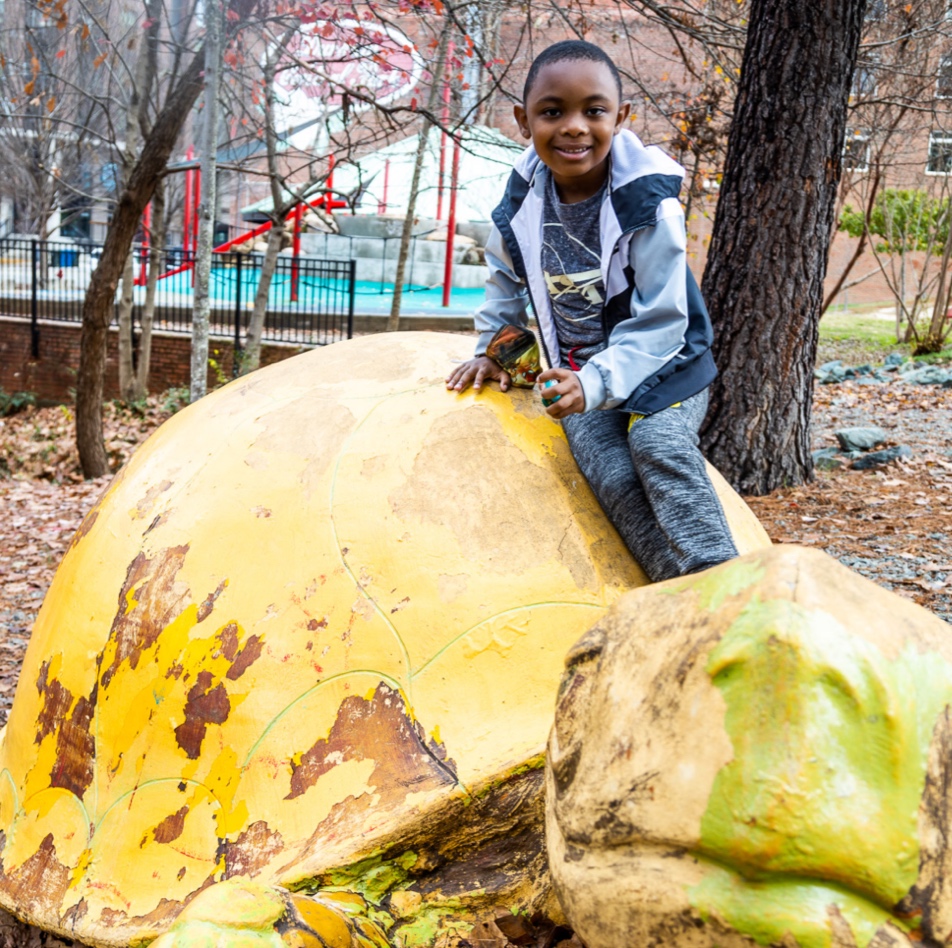
As well, we believe children’s whole bodies must be included in their learning. This means daily opportunities to move, feel, build with their hands, speak, interact, play with numbers and shapes and read. Each day includes play time outside, singing, creating art, making meaning, and finding confidence in numbers, letters and writing.