Who We Are

Inspiring children to discover the joy of learning in a loving community

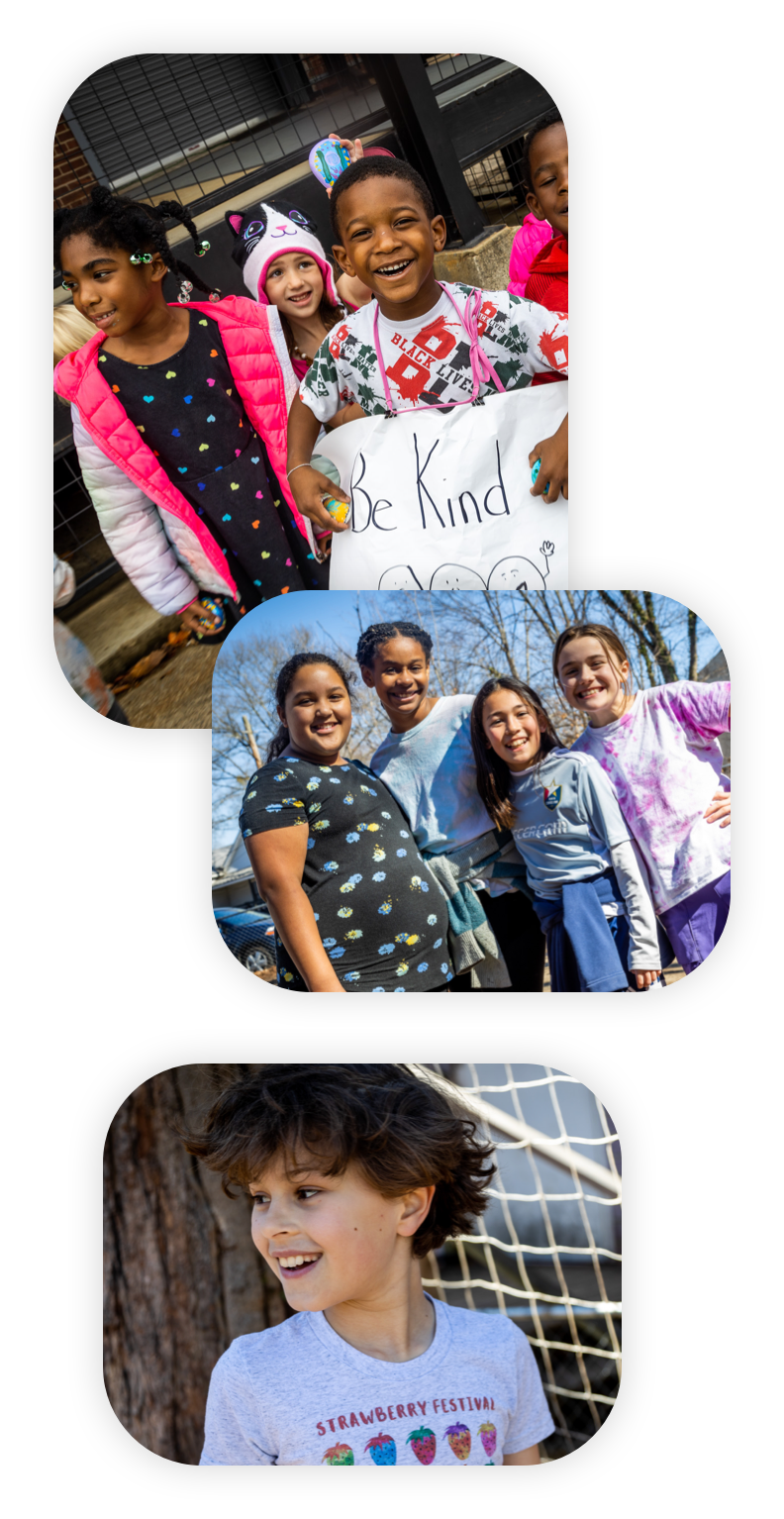
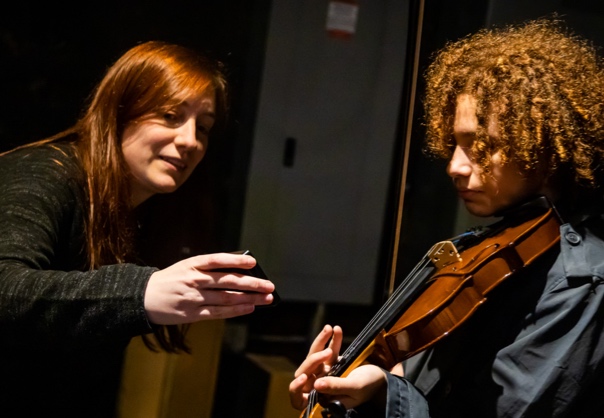
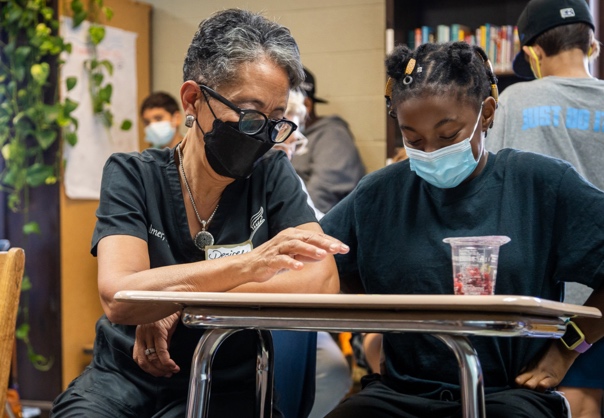
At Central Park School for Children we know children have a natural eagerness to understand the world around them. Through a supportive environment, Project Based Learning (PBL) and child-centered approaches, we nurture your child’s natural eagerness. Our graduates are confident, courageous learners who find joy for learning through compassion and curiosity in all they do for themselves and their communities. 

Founded in 2003, CPSC was the first Project Based Learning public school in North Carolina and the first “diverse-by-design” public charter school in the Southern United States. You can read more below, or by visiting the Our Approach page.
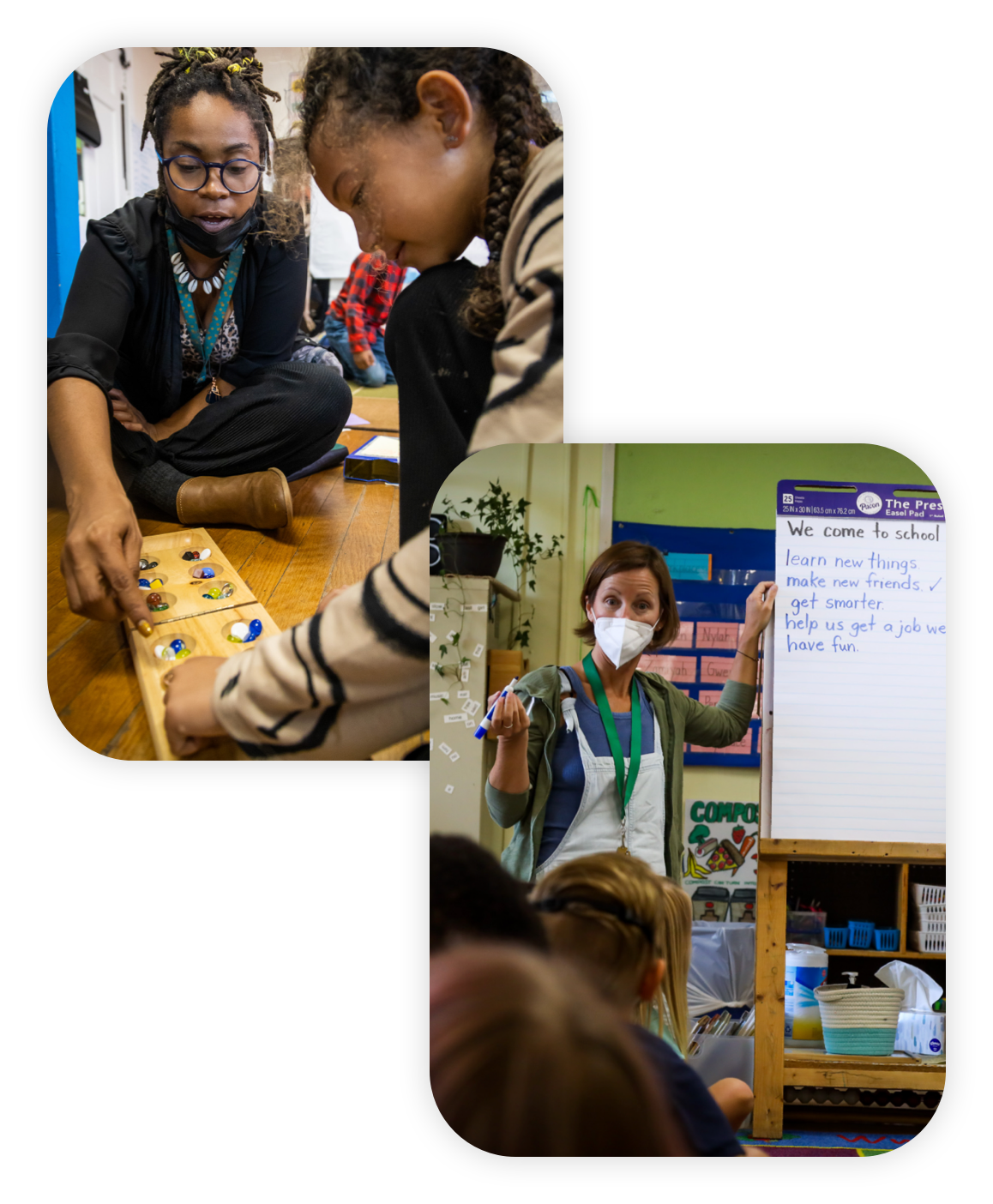
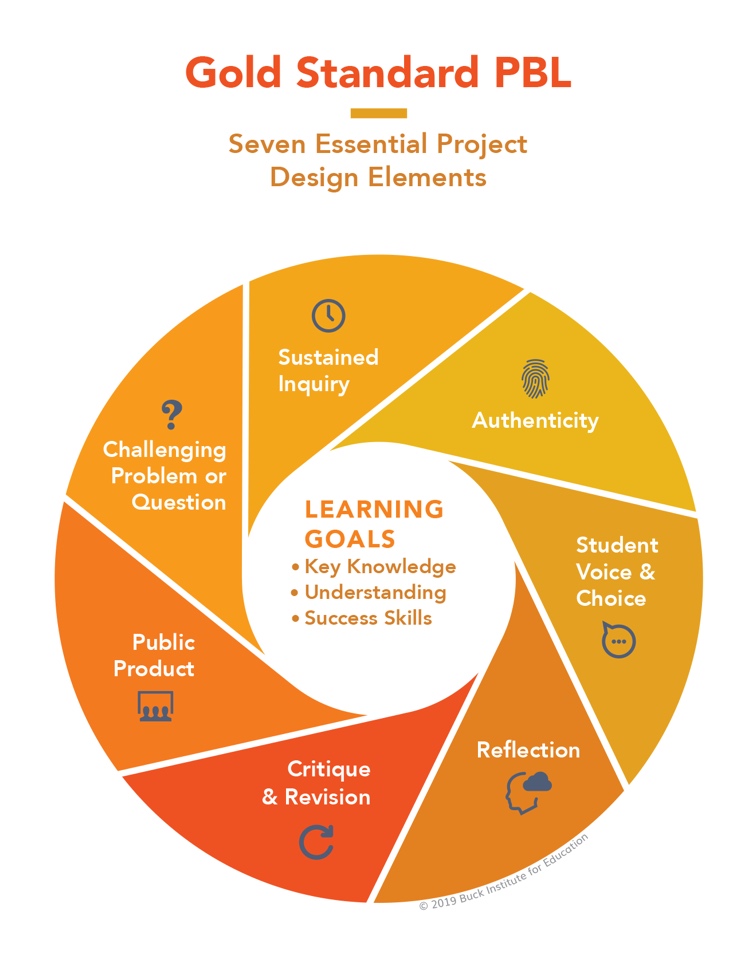
Project Based Learning

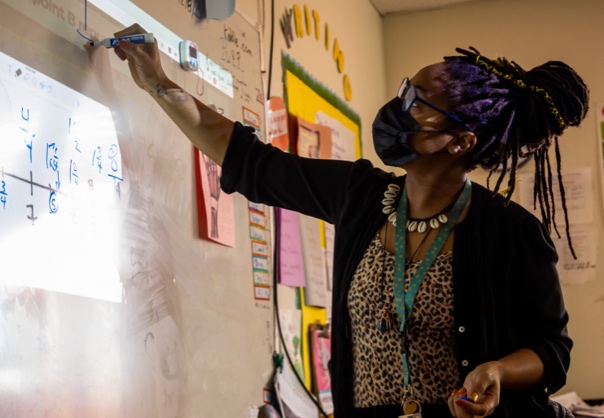
In Project Based Learning, students rely on each other, their teachers and state standards to generate a guiding question or explore a real-world problem. Students investigate their topics through research, field work, readings, guest experts, construction, arts, seminars and more, all fitting to their grade level and interests. 

Classes work on a project over an extended period of time – from a week, to a quarter, to a school year. Finally, they demonstrate their knowledge and skills by creating a public product or presentation for a real audience (a “Project Share”). As a result, students develop deep content knowledge, critical thinking, collaboration, creativity and communication skills. You can read more about PBL by visiting PBLworks.org.
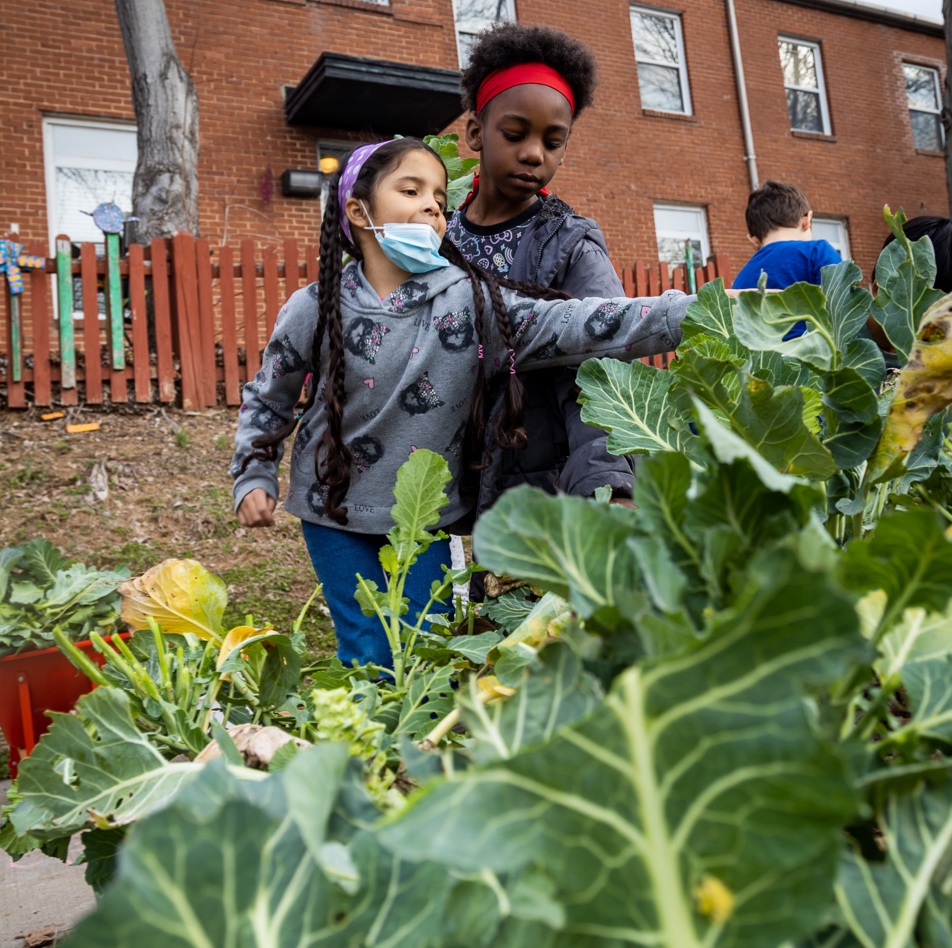
Elementary School

Sample Guiding Questions
at our Elementary School:

  • Where do animals live in the winter?
  • How do maps help our community?
  • How can we create a more welcoming environment for wildlife?
  • How do we care for our environment?
  • Why are there fictional texts from various cultures about weather?
  • How does changing weather impact habitats across the world?

Middle School

Sample Guiding Questions
at our Middle School:

  • Can we change the world by changing what we eat?
  • How do we teach others to care about the environment?
  • Can global warming be reversed in our lifetime?
  • How were stars, planets and religion used to explain daily life in history?
  • What’s in the water and how did it get there?
  • Invisible Wave: How can we prove waves exist?
  • Best Me: How do I present the best “me” for the situation at all times?
  • How can we as 8th grade students make Durham a more welcome place for immigrants, refugees and transplants? How can we make it more welcoming for ALL?

Diverse By Design

CPSC was created twenty years ago as an ambition to see progressive, experiential learning grounded in the best of educational research and equal respect for all children made real in public education.

Over time, this has evolved to a mission of ensuring All Children Thrive in our learning community and beyond.
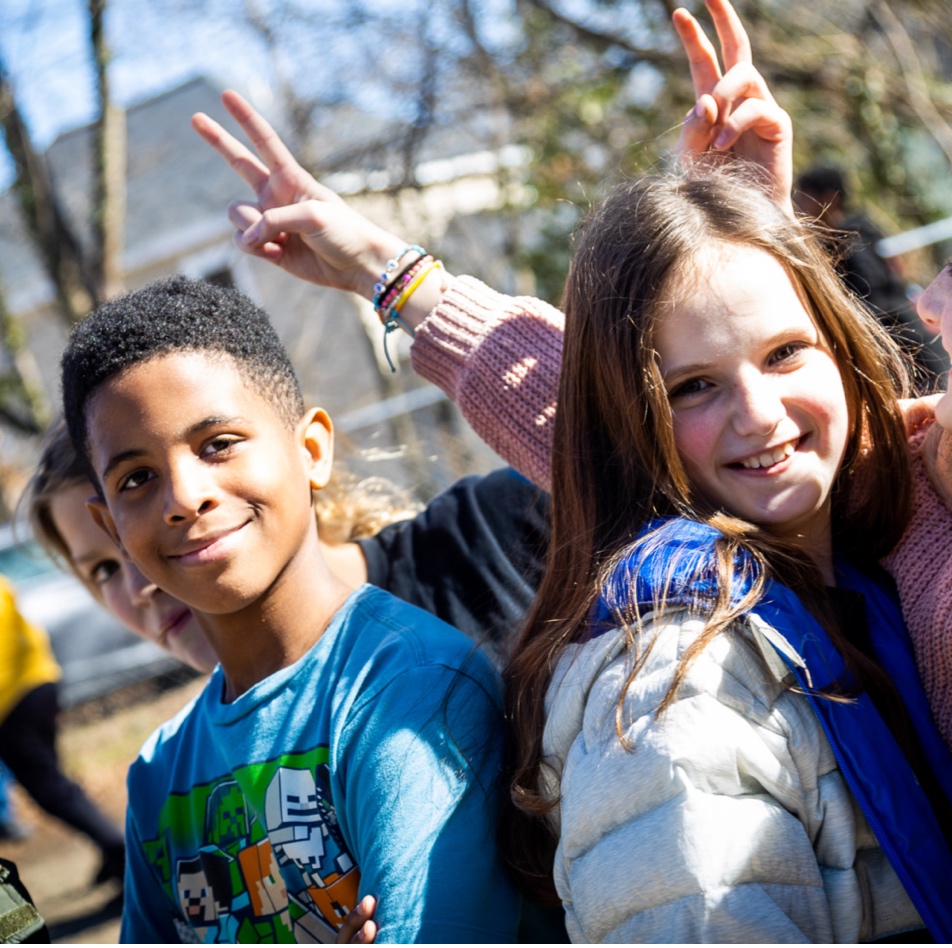
At CPSC, “diverse-by-design” means we use the genius of our community members and best practices in cultivating diversity, equity and inclusion to guide our schools’ structure. We emphasize fairness, equity, love, kindness and respect as we work to create an environment where all voices are included and heard, and where each person’s differences, ideas and sense of wonder are valued. Some of the ways we do this is in our weighted lottery system, community-building events, strong parent-staff relationships and ongoing equity-based professional development for staff. We’ve come a long way and look forward to continued growth!

Our Story

CPSC’s vision for education has always been child-centered. Our mission has always been to see All Children Thrive. How we deliver on our vision and mission is evolving, though continually based on the best available research and the genius of all in our community (especially the children!).

Central Park School for Children founders Vicky Patton and Bob Chapman were deeply inspired by their involvement in the founding of The Duke School, a research-driven child-centered learning lab (previously, The Duke University Pre-School and Primary [DUPP]). In 2003, they founded CPSC as an experiment; they wanted to bring the organizational structure, values, child development goals and pedagogy of DUPP to a public school setting.

They wanted to bring the organizational structure, values, child development goals and pedagogy of DUPP to a public school setting.

At the time this was an outrageous ambition that begged a question: could a progressive, experiential, community-based program focused on respect for children and the latest child education research flourish as a public school, and with the budgets and procedures of public education? The CPSC you see today is the outcome of this question, and we’re thrilled with the results!

Building Community

First and most critical to our success is the cultivation of community; with our teachers, staff, parents and community partners. Together, we are all owners and believers in the CPSC vision. Collectively we are worker bees for our children, and do whatever work needs to be done to best support them. In return, we all have agency – we all own this amazing school!

Spending time together, working and playing together builds this community that nurtures all our members, and especially our children.

As CPSC approaches our 20th anniversary, we  remain committed to our shared vision and mission, and the practice of building community after the trials of a pandemic. Teachers and parents get to know each other through home visits, conferences, school meetings and digital communication platforms. Parents respond when teachers call on them for help in the classroom, volunteering at our community events, and to discuss their child’s unique progress. Twice a year, families and staff pitch in to all-school work days for facilities improvements. Besides building community, these are valuable lessons for children about how grown-ups value education, and cooperate to make good things happen. School socials speckle our community calendar, highlighted by the Strawberry Festival, a festival fundraiser for our school, held annually on the first Saturday in May.

When we are one, all for one, community, there is nothing our children, our staff and our parents cannot do. We are grateful to look back on the past twenty years of learning and growing together, and excited for the lessons to come!

Get to know us

John Heffernan

Meet our Executive Director!

Board & Foundation

Faculty & Staff

Community Partners

Interested in working with us?